The North American press brake market is growing at 6.4% CAGR. This comprehensive guide breaks down the key differences between servo-electric and hydraulic press brakes to help you make the right capital investment decision.
Understanding the Core Technologies
Before diving into the comparison, it is essential to understand how these two distinct technologies operate and generate the force required to bend sheet metal.
The Traditional Hydraulic Press Brake
Hydraulic press brakes rely on a hydraulic pump driven by an electric motor. This pump continuously circulates hydraulic fluid (oil) throughout the system, directing it into hydraulic cylinders that drive the ram downward to perform the bend. Because the motor runs continuously—even when the machine is idling between bends, during setup, or while the operator is reading a blueprint—the system consumes a significant amount of electricity simply to maintain hydraulic pressure and keep the oil warm.
The continuous circulation of fluid also generates heat, which can alter the oil's viscosity over the course of a shift. This thermal drift can subtly affect the stopping position of the ram, requiring the operator to make manual adjustments to maintain bending accuracy. Despite these inefficiencies, hydraulic press brakes are renowned for their immense power, making them the go-to choice for heavy-duty, high-tonnage applications.
The Modern Servo-Electric Press Brake
In contrast, a servo-electric press brake eliminates the hydraulic system entirely. Instead, it utilizes high-torque servo motors coupled with ball screws or belt-pulley systems to drive the ram directly. The most defining characteristic of a servo-electric press brake is that it operates strictly on demand. The servo motors only draw electrical power when the ram is actively moving. When the machine is idle, power consumption drops to nearly zero.
Because there is no hydraulic fluid, there are no issues with oil viscosity changes, leaks, or thermal distortion. This direct mechanical drive provides exceptional control over the ram's position, acceleration, and deceleration, resulting in micron-level repeatability. For manufacturers requiring high precision, such as those in the aerospace, electronics, and medical device sectors, this level of control is invaluable.
For those looking for a middle ground, servo electro-hydraulic (hybrid) press brakes, like the [Metec MPS Series](/products/press-brake/mps-series), utilize servo motors to drive a localized, closed-loop hydraulic system, offering the tonnage of a hydraulic brake with the energy efficiency and precision of an electric one.
Energy Efficiency and Total Cost of Ownership
When evaluating press brakes, the initial purchase price is only one part of the equation. The Total Cost of Ownership (TCO), which includes energy consumption, maintenance, and consumable costs, often reveals a very different financial picture over the machine's lifespan.
The Hidden Costs of Hydraulic Idling
Walk into any mid-sized fabrication shop, and you will likely hear the constant hum of hydraulic pumps. A typical 150-ton hydraulic press brake operating across two shifts can consume approximately 30,000 kilowatt-hours (kWh) per year just idling. At an average industrial electricity rate, this translates to thousands of dollars wasted annually without producing a single part.
Furthermore, hydraulic systems require regular maintenance. The hydraulic oil must be replaced periodically, filters need changing, and seals inevitably wear out and leak, requiring cleanup and replacement. When you calculate the cost of electricity, premium hydraulic fluids, filters, and the labor required for maintenance, a "paid-off" legacy hydraulic machine can easily cost a shop upwards of $9,000 a year in baseline operating penalties.
The Servo-Electric ROI Advantage
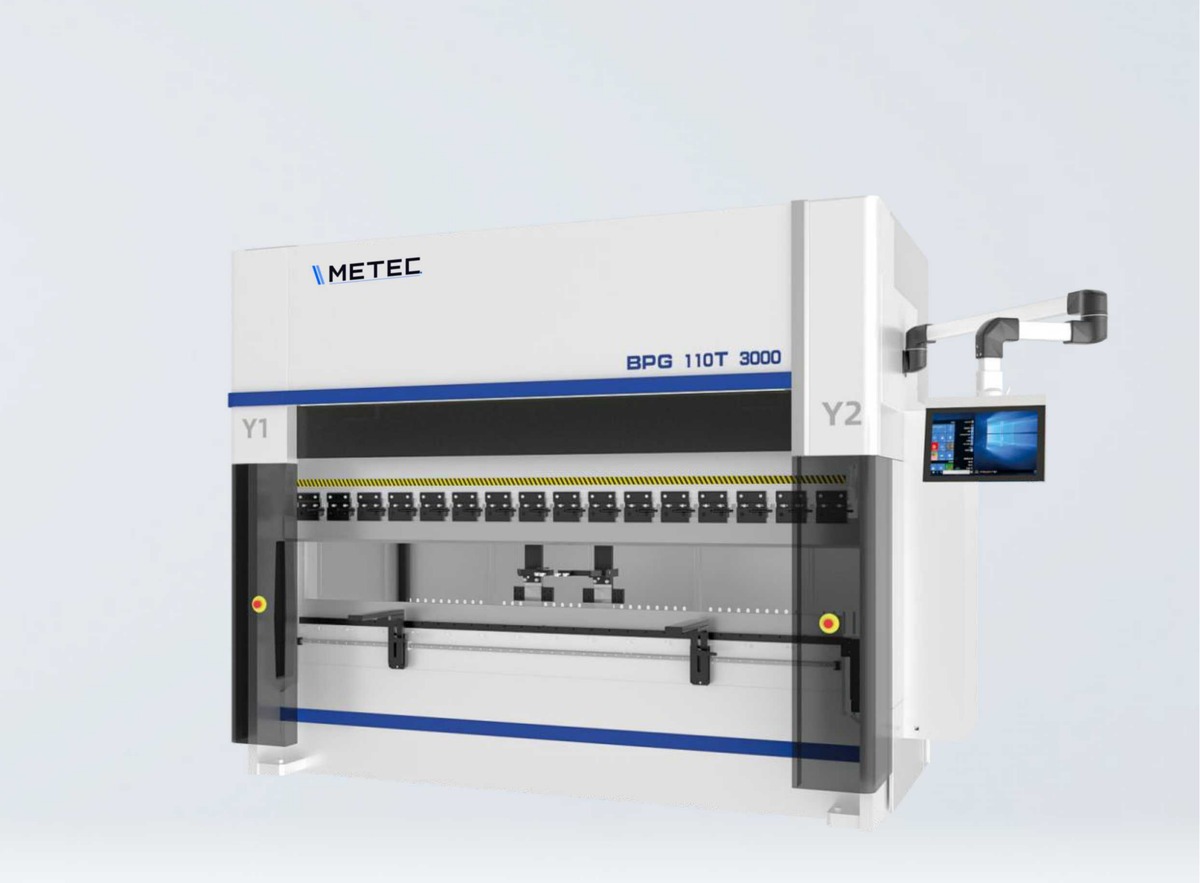
Servo-electric press brakes, such as the [Metec MPG Series](/products/press-brake/mpg-series), offer a stark contrast. By only consuming power during the actual bending cycle, electric press brakes can reduce energy consumption by up to 60% compared to traditional hydraulic models.
Beyond energy savings, electric brakes eliminate the need for hydraulic oil, filters, and seal replacements. The reduction in maintenance not only saves money on consumables but also significantly increases machine uptime. When calculating the ROI for a new servo-electric press brake, the monthly savings in energy and maintenance can often offset a substantial portion of the financing costs, making the transition financially viable much sooner than many shop owners realize.
Precision, Repeatability, and Production Speed
In 2026, the demand for tight-tolerance, complex sheet metal components is higher than ever. Buyers are not just looking for parts that are "close enough"; they require absolute precision to ensure seamless downstream assembly.
Eliminating Thermal Drift
As mentioned earlier, traditional hydraulic press brakes suffer from thermal drift. As the hydraulic oil heats up during a shift, its viscosity decreases. Thinner oil behaves differently under pressure, which can cause the ram's bottom dead center (BDC) stopping position to vary by a fraction of a millimeter. Over a long production run, this can result in bending angles drifting by up to a full degree from morning to afternoon.
Electric press brakes are immune to hydraulic thermal drift. The servo-driven ball screws move to the exact same position at 8:00 AM as they do at 4:00 PM. This mechanical consistency allows electric press brakes to achieve positioning repeatability of ±0.01mm, a standard feature across Metec's advanced bending solutions.
Acceleration and Cycle Times
Speed is another critical factor in high-mix, low-volume manufacturing environments. Servo-electric press brakes generally offer faster approach and return speeds than their hydraulic counterparts. Because the servo motors provide instant torque and rapid acceleration, the overall cycle time per bend is significantly reduced.
For a shop processing thousands of bends per day, saving even one second per cycle can translate into hours of additional production capacity per week. When paired with advanced CNC controllers that feature 3D graphical programming and offline simulation, electric press brakes become highly efficient production cells capable of tackling complex geometries with minimal setup time.
Which Technology is Right for Your Shop?
The decision between electric and hydraulic technology ultimately depends on your specific application, production volume, and material requirements.
When to Choose a Hydraulic Press Brake
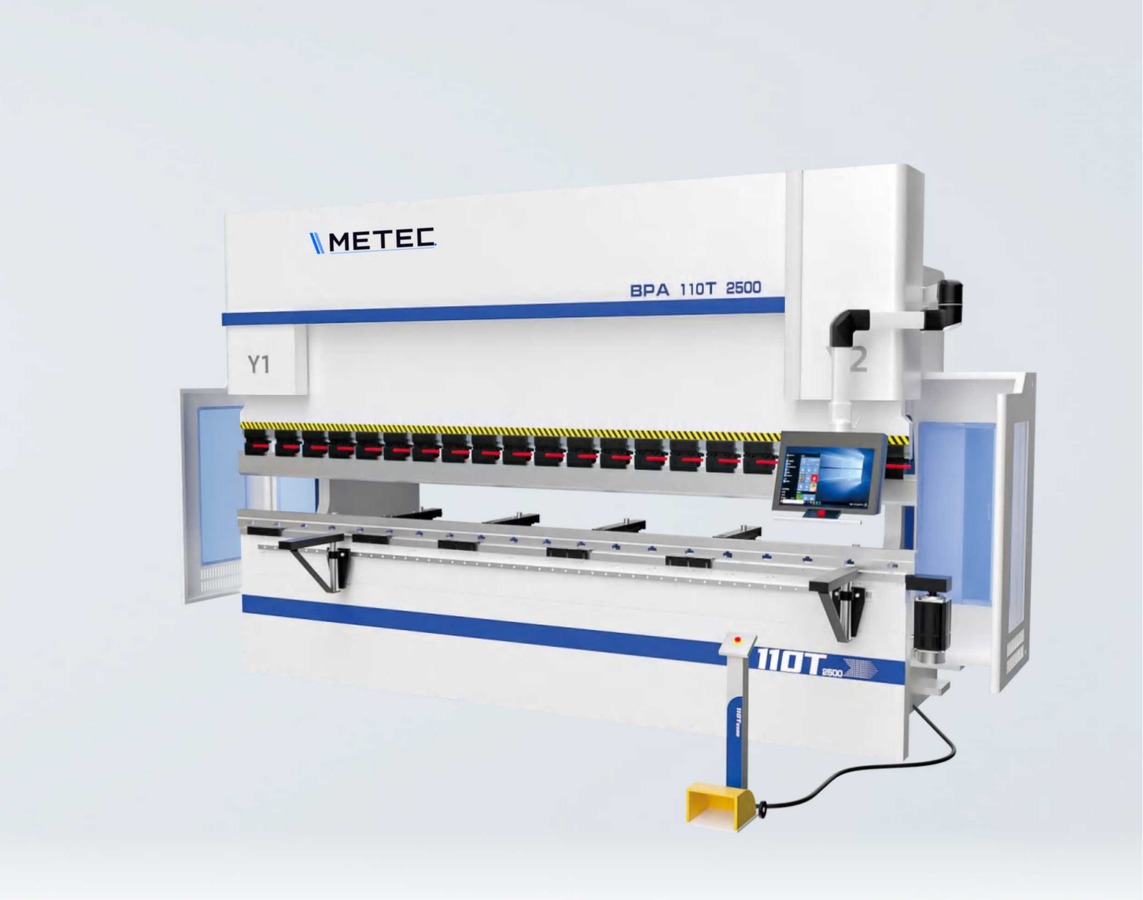
Despite the advantages of electric technology, traditional hydraulic press brakes—particularly advanced models like the [Metec MPH Series](/products/press-brake/mph-series)—still hold a vital place in the industry. You should consider a hydraulic press brake if you bend thick, heavy plate (hydraulic systems excel at generating massive force for steel plate thicker than 12mm or requiring 300+ tons), if you have a lower initial CapEx budget, or if your production is low-mix, high-volume where the rapid acceleration of an electric brake provides less competitive advantage.
When to Choose a Servo-Electric Press Brake
You should strongly consider investing in a servo-electric press brake if you process thin to medium gauge materials (up to 6mm thick), operate in a high-mix environment requiring rapid setup and absolute repeatability, require tight tolerances (±0.01mm) for aerospace, medical, or precision electronics enclosures, or want to reduce your carbon footprint by eliminating hydraulic oil and cutting energy consumption.
The Hybrid Alternative
If you need the high tonnage of a hydraulic system but want the precision and energy efficiency of an electric drive, a servo electro-hydraulic (hybrid) press brake is the optimal compromise. These systems use servo motors to drive individual hydraulic pumps located directly at the cylinders, eliminating the large central oil reservoir and continuous idling, while still delivering massive bending force.
Ensuring Quality and Reliability
Regardless of which technology you choose, the reliability of the manufacturer is paramount. Metec's entire range of press brakes is manufactured in state-of-the-art facilities holding ISO 9001 quality management certification. Furthermore, all machines are rigorously tested to meet CE and SGS certification standards, ensuring compliance with strict European and global safety regulations.
Investing in a press brake is a long-term commitment. To protect that investment, Metec provides comprehensive 24/7 multilingual support, ensuring that technical assistance, spare parts, and troubleshooting are always available, minimizing downtime and keeping your production running smoothly.
FAQ
Q1: How much energy can I actually save by switching from hydraulic to electric?
A: Depending on your production volume and the amount of idle time between bends, a servo-electric press brake can reduce energy consumption by 40% to 60% compared to a traditional continuously running hydraulic press brake.
Q2: Are electric press brakes as durable as hydraulic ones?
A: Yes. While the technology is different, industrial-grade servo motors and heavy-duty ball screws are designed for millions of cycles. Because there are no hydraulic seals to blow or oil to contaminate, electric brakes often require less routine maintenance and experience less unexpected downtime.
Q3: Can an electric press brake handle bottoming or coining?
A: Yes, electric press brakes can perform bottom bending and coining, provided the machine's tonnage rating is sufficient for the material length and thickness. However, because these processes require significantly more force than air bending, it is crucial to accurately calculate your tonnage requirements before purchasing.
Q4: Do electric press brakes require special tooling?
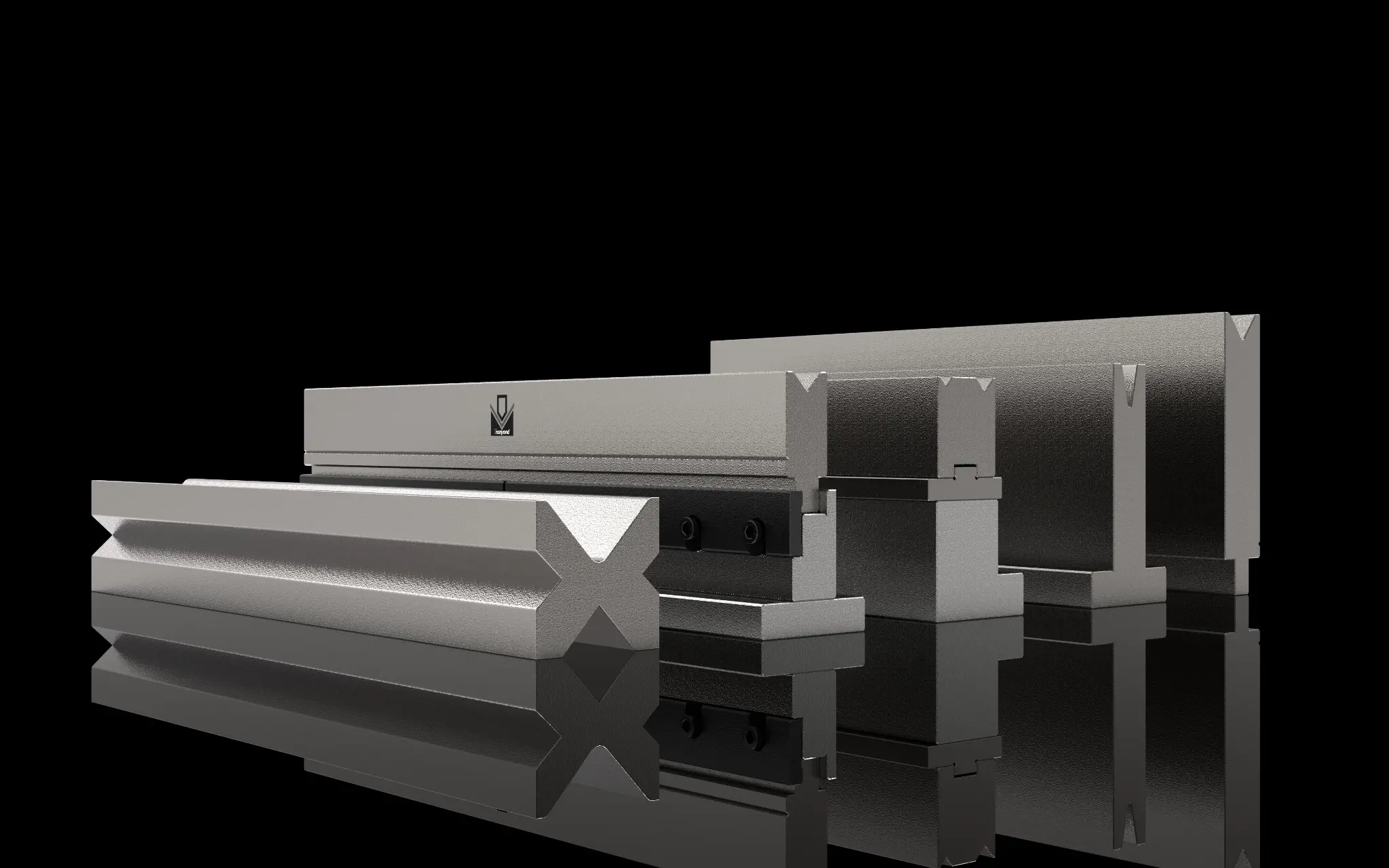
A: No. Servo-electric press brakes use the same standard tooling systems (such as European, Promecam, or Wila/Trumpf styles) as hydraulic press brakes. You can seamlessly transfer your existing tooling inventory to a new electric machine.
Q5: What is the maximum tonnage available for a purely electric press brake?
A: While technology is advancing rapidly, pure servo-electric press brakes are typically available up to 200–300 tons. For applications requiring 400 tons or more, hybrid servo electro-hydraulic systems or traditional hydraulic systems are required.
Upgrade Your Bending Capabilities Today
Whether you are looking to maximize energy efficiency with a servo-electric model or require the heavy-duty power of an advanced hydraulic system, choosing the right press brake is the first step toward transforming your fabrication shop's productivity.
Request a Free Quote from Metec → [metecmt.com/contact](https://www.metecmt.com/contact)
Metec Engineering Team
Application EngineeringMetec's Application Engineering Team consists of senior engineers with hands-on experience commissioning and optimizing fiber laser cutting machines and CNC press brakes across 50+ countries. Our engineers hold degrees in mechanical engineering and have field experience with thousands of machine installations.