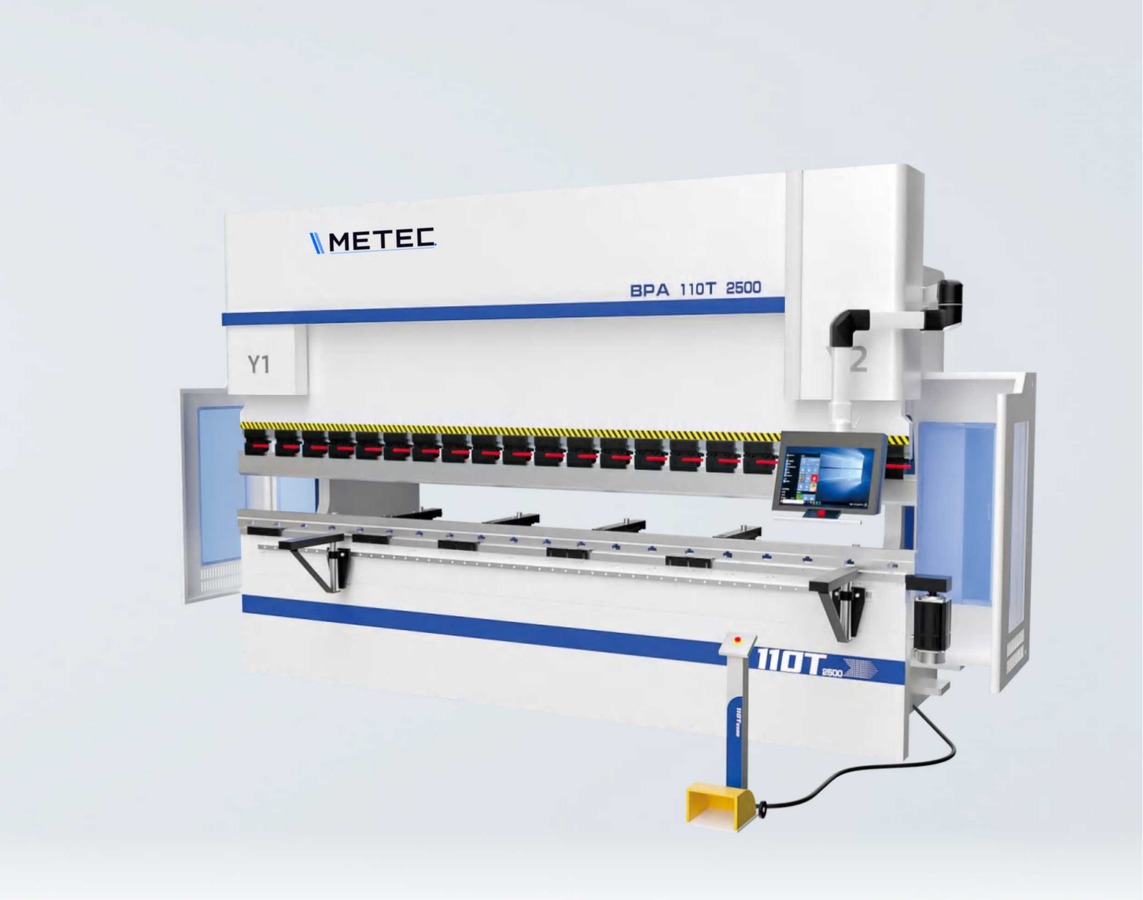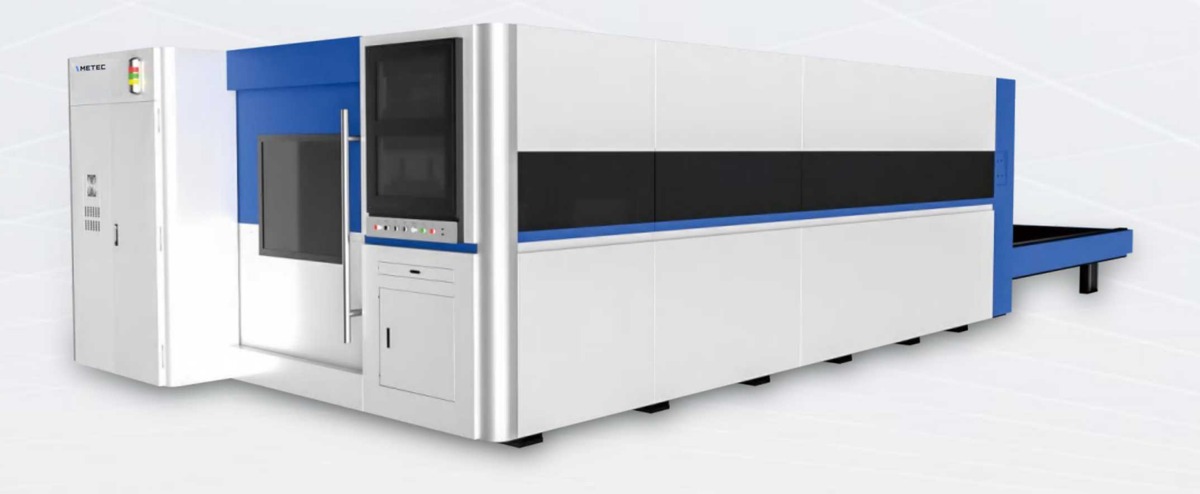
In 2026, choosing between electric, hydraulic, and electro-hydraulic press brakes requires a clear understanding of operating costs, precision requirements, and production goals. This guide provides the data you need to decide.
# Electric vs. Hydraulic vs. Electro-Hydraulic Press Brake: The 2026 Decision Guide
For decades, the hydraulic press brake has been the undisputed backbone of sheet metal fabrication. It delivered raw tonnage reliably and relatively inexpensively. However, as the manufacturing landscape shifts toward high-mix production, tighter tolerances, and stringent energy efficiency goals, the dominance of legacy hydraulics is being challenged.
In 2026, the global press brake market is projected to reach US$1,211.2 million by 2033, driven largely by a rapid transition toward automation and energy-efficient technologies. Fabricators evaluating new equipment now face a critical decision: Should they stick with traditional hydraulic systems, transition to pure electric (servo-electric) machines, or adopt the hybrid electro-hydraulic approach?
This comprehensive guide breaks down the technical differences, operational costs, and performance metrics of all three technologies to help you make an informed investment for your shop floor.
The Traditional Hydraulic Press Brake: Raw Power and Reliability
The conventional hydraulic press brake operates using a large AC motor that runs continuously, driving a hydraulic pump. This pump circulates hydraulic oil from a central reservoir to the cylinders to move the ram.
The Advantages
- Cost-Effective Tonnage: Hydraulic systems are the most economical way to generate massive bending force. For heavy plate fabrication (e.g., 500+ tons), hydraulics remain the only practical option.
- Durability: Built for heavy-duty, abusive environments, a well-maintained hydraulic press brake can last for decades.
- Simplicity: The technology is universally understood, making maintenance and troubleshooting relatively straightforward for experienced mechanics.
The Hidden Costs in 2026
While the initial capital expenditure for a traditional hydraulic brake is lower, the operating costs are significant. The primary AC motor runs continuously, whether the ram is cycling or the operator is reading a blueprint. Industry data reveals that a typical 150-ton hydraulic brake operating two shifts consumes approximately 30,000 kilowatt-hours per year simply idling. At an average industrial rate of $0.15/kWh, that equates to $4,500 wasted annually.
Furthermore, hydraulic systems suffer from thermal drift. As the pump circulates oil throughout the day, the fluid heats up and its viscosity changes. This can cause the ram's stopping position to drift, leading to a variance of up to a full degree in bend angles between morning and afternoon shifts, increasing scrap rates.
The Pure Electric (Servo-Electric) Press Brake: Speed and Precision
Servo-electric press brakes eliminate the hydraulic system entirely. Instead, they use high-torque servo motors connected to ball screws or belt-and-pulley systems to drive the ram directly.
The Advantages
- Exceptional Energy Efficiency: Servo motors only draw power when the ram is actively moving. During setup, material handling, or breaks, the machine draws virtually zero power. This can reduce energy consumption by up to 50% compared to traditional hydraulics.
- High Speed and Acceleration: Without the latency of fluid dynamics, electric brakes offer incredibly fast approach and return speeds, significantly reducing cycle times for light-gauge, high-volume production.
- Zero Thermal Drift: No hydraulic oil means no heat generation and no viscosity changes. A servo-electric brake delivers the exact same ±0.01mm precision at 8:00 AM as it does at 4:00 PM.
- Clean Operation: Eliminating hydraulic fluid removes the risk of oil leaks, the cost of annual fluid changes, and the need for hazardous waste disposal.
The Limitations
The primary drawback of pure electric press brakes is tonnage limitation and cost. Building an electric drive system capable of generating high tonnage (over 150 tons) requires massive, expensive servo motors and ball screws, making the machine cost-prohibitive for many shops. They are best suited for high-speed, light-to-medium gauge fabrication.
The Electro-Hydraulic Press Brake: The Ultimate Hybrid Solution
For the vast majority of fabricators in 2026, the electro-hydraulic (or hybrid) press brake represents the optimal balance of power, precision, and efficiency.
Machines like the [Metec MPH Series Electro-Hydraulic CNC Press Brake](/products/press-brake/mph-series) utilize a hybrid drive system. Instead of a single large motor running continuously, an electro-hydraulic machine uses independent servo motors to drive a dedicated, closed-loop hydraulic pump for each cylinder.
Why Electro-Hydraulic is the Sweet Spot
- On-Demand Power: Like a pure electric machine, the servo motors in a hybrid system only run when the ram needs to move. When the operator is idle, the motors stop. This delivers up to 40% energy savings compared to traditional hydraulics.
- High Tonnage Capability: Because it still utilizes hydraulic cylinders to generate force, an electro-hydraulic system can easily and economically achieve high tonnage (up to 1000+ tons) for heavy plate bending.
- Superior Precision: By using servo motors to control the hydraulic flow directly (closed-loop control via linear scales), hybrid systems achieve the same ±0.01mm repeatability as pure electric machines.
- Reduced Oil Volume: Hybrid systems typically use localized hydraulic reservoirs mounted directly on the cylinders. This drastically reduces the total volume of hydraulic oil required (often by 70%), minimizing maintenance costs and thermal drift issues.
Side-by-Side Comparison: Which Should You Choose?
| Feature | Traditional Hydraulic | Pure Electric | Electro-Hydraulic (Hybrid) |
| :--- | :--- | :--- | :--- |
| Best Application | Heavy plate, low budget | Light gauge, high volume | Medium to heavy gauge, high mix |
| Energy Efficiency | Low (Motor runs continuously) | Very High (Power on demand) | High (Power on demand) |
| Precision | Good (Subject to thermal drift) | Excellent (±0.01mm) | Excellent (±0.01mm) |
| Speed | Standard | Very Fast | Fast |
| Maintenance | High (Oil changes, leaks) | Very Low (No oil) | Low (Minimal oil volume) |
| Tonnage Range | 40T to 2000T+ | Typically < 150T | 40T to 1000T+ |
| Initial Investment | Lowest | Highest | Medium |
Making the Decision
- •Choose Pure Electric if: Your shop exclusively processes light-gauge sheet metal (e.g., HVAC, electronics enclosures), you require maximum speed, and your tonnage needs rarely exceed 100 tons.
- •Choose Traditional Hydraulic if: You are a heavy industrial fabricator processing thick plate where precision is secondary to raw, inexpensive bending force.
- •Choose Electro-Hydraulic if: You are a general job shop or OEM manufacturer. If you need the versatility to bend 20-gauge stainless steel in the morning and 1/2-inch carbon steel in the afternoon, while demanding ±0.01mm precision and low operating costs, the electro-hydraulic system is the definitive choice.
Real-World ROI: Running the Numbers
One of the most persuasive arguments for upgrading from a traditional hydraulic to an electro-hydraulic press brake is the operating cost differential. Consider a typical 100-ton hydraulic press brake running two 8-hour shifts per day, 250 days per year.
A traditional hydraulic machine's main motor runs continuously, consuming approximately 15 kW of power even during idle periods. Over a year, this idle consumption alone accounts for roughly 30,000 kWh. At an industrial electricity rate of $0.15/kWh, this represents $4,500 in wasted energy annually. Add the cost of annual hydraulic oil changes ($1,200), filter replacements ($800), and routine seal maintenance ($2,500), and the total annual operating penalty reaches approximately $9,000 before the machine bends a single part.
An electro-hydraulic machine of equivalent tonnage, such as the [Metec MPH Series](/products/press-brake/mph-series), eliminates idle-state energy consumption and reduces oil maintenance costs by up to 70%. The combined savings of $5,000 to $7,000 per year meaningfully offset the higher initial capital investment, typically achieving payback within 3 to 5 years.
Industry Applications: Which Technology Fits Which Sector?
The choice between electric, hydraulic, and electro-hydraulic press brakes is also influenced by the specific demands of your industry vertical.
Automotive and Tier-1 Suppliers: High-volume, consistent part production favors servo-electric or electro-hydraulic systems. The thermal stability and ±0.01mm precision ensure that safety-critical brackets and structural components meet stringent dimensional tolerances across every shift.
HVAC and Architectural Fabrication: Light-gauge, high-mix production of ductwork, panels, and decorative elements is ideally suited to servo-electric machines. The fast cycle times and clean operation (no oil) are particularly valued in environments where cleanliness is important.
Heavy Equipment and Agricultural Machinery: Thick plate fabrication requiring 300 to 1000 tons of bending force remains the domain of hydraulic and electro-hydraulic systems. The [Metec MPG Series](/products/press-brake/mpg-series) and [MPH Series](/products/press-brake/mph-series) are specifically engineered for these demanding applications.
General Job Shops: The unpredictable mix of materials and thicknesses that defines a job shop environment makes the electro-hydraulic press brake the clear default choice, offering the versatility to handle any job that comes through the door.
Quality and Support Matter
Regardless of the drive technology you select, the underlying quality of the machine frame and control system dictates its lifespan. Metec press brakes are manufactured in an ISO 9001 certified facility, ensuring rigorous quality control. Furthermore, CE and SGS certifications guarantee compliance with the highest international safety and performance standards.
When investing in advanced CNC bending technology, reliable after-sales support is crucial. Metec provides 24/7 multilingual support, ensuring that fabricators worldwide can maintain maximum uptime and productivity.
Conclusion
The era of the continuously idling hydraulic pump is ending. While traditional hydraulics still have a place in heavy industry, the competitive advantages of energy efficiency, speed, and thermal stability make servo-electric and electro-hydraulic press brakes the clear choice for modern fabrication. By analyzing your part mix, tonnage requirements, and long-term operating costs, you can select the technology that will drive your shop's profitability well into the next decade.
Frequently Asked Questions (FAQ)
Q1: How much energy can I really save with an electro-hydraulic press brake?
A: Compared to a traditional hydraulic machine of the same tonnage, an electro-hydraulic (hybrid) press brake typically reduces energy consumption by 40% to 50%. The savings come from the servo motors turning off completely during idle time, part handling, and tool setups.
Q2: Does an electro-hydraulic machine still require hydraulic oil changes?
A: Yes, but significantly less frequently and at a much lower volume. Hybrid systems use localized, sealed reservoirs that require up to 70% less oil than traditional systems, dramatically reducing the cost and environmental impact of fluid maintenance.
Q3: Are pure electric press brakes faster than hydraulic ones?
A: Yes. Because they do not rely on fluid dynamics and valve response times, pure electric press brakes offer faster ram acceleration, higher approach speeds, and quicker return speeds, which translates to shorter cycle times on light-gauge parts.
Q4: Can an electro-hydraulic press brake achieve the same accuracy as a pure electric one?
A: Absolutely. High-quality electro-hydraulic machines, like the Metec MPH series, utilize precision linear scales and closed-loop servo control to achieve ±0.01mm ram positioning accuracy, matching the precision of pure electric systems.
Q5: Is the initial cost of an electro-hydraulic machine justified?
A: For most shops, yes. While the initial capital expenditure is higher than a traditional hydraulic machine, the ROI is rapidly achieved through reduced energy bills, lower maintenance costs, elimination of thermal-drift scrap, and increased production speed.
---
Ready to modernize your bending operations with energy-efficient technology?
Request a Free Quote from Metec → [metecmt.com/contact](https://www.metecmt.com/contact)
Metec Technical Team
Applications EngineeringThe Metec team brings decades of combined experience in sheet metal processing technology, application engineering, and global manufacturing.